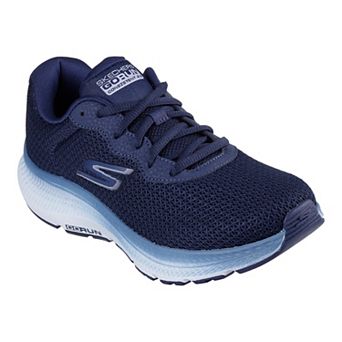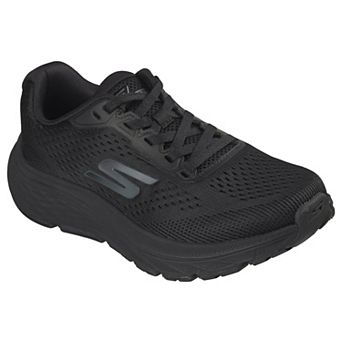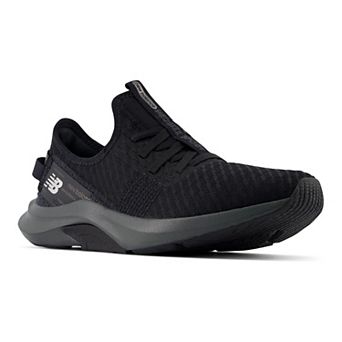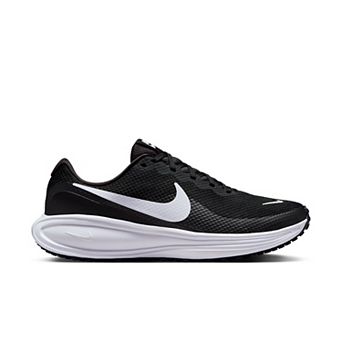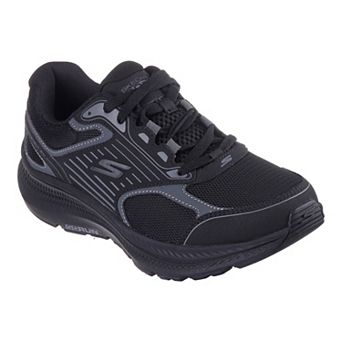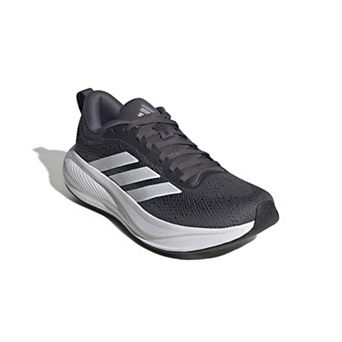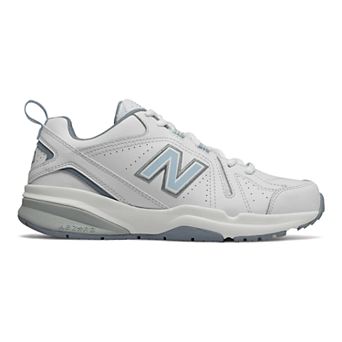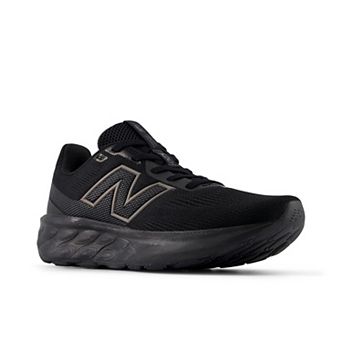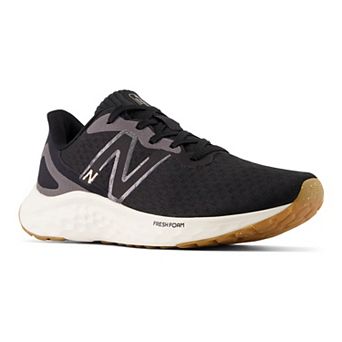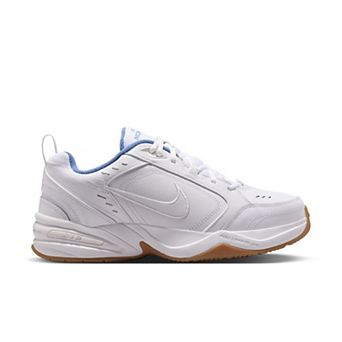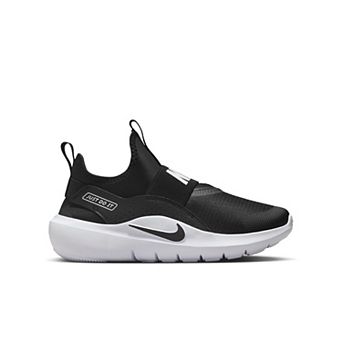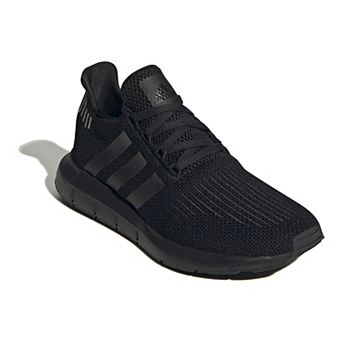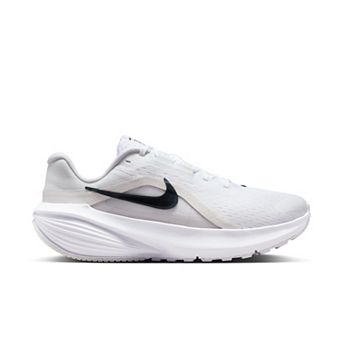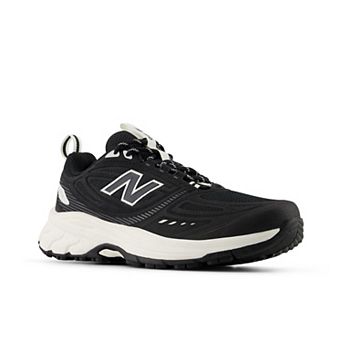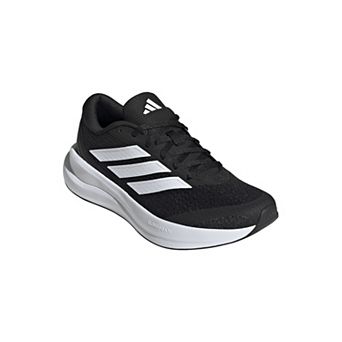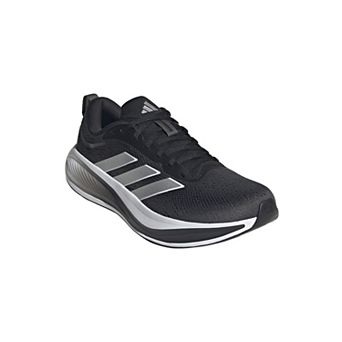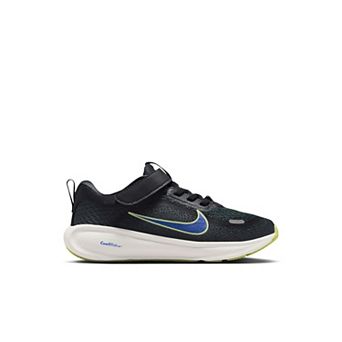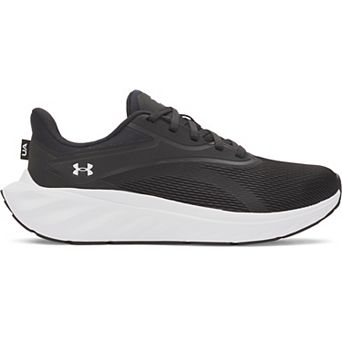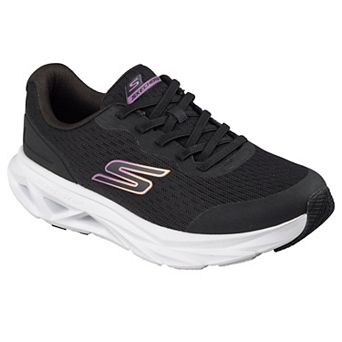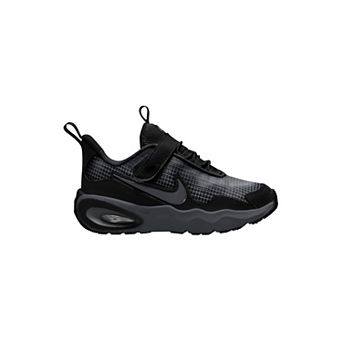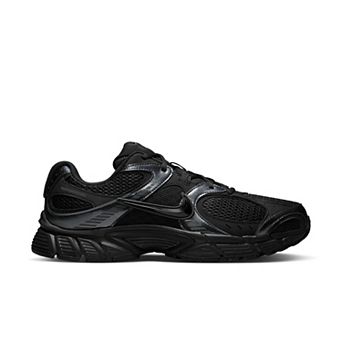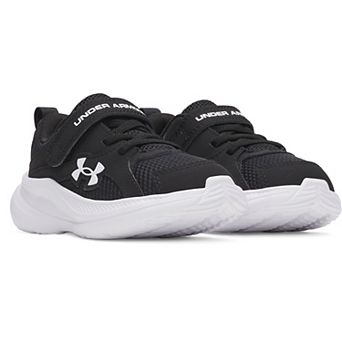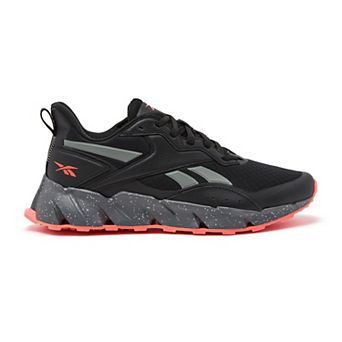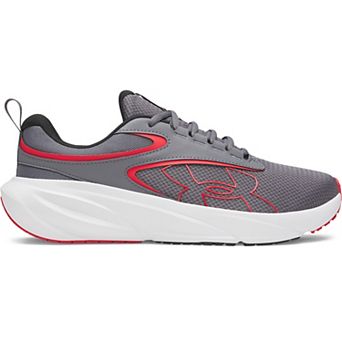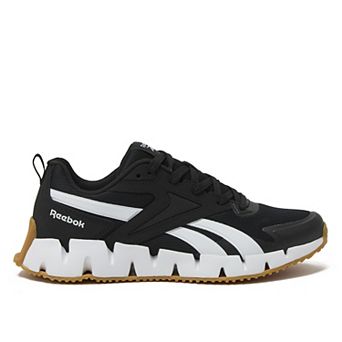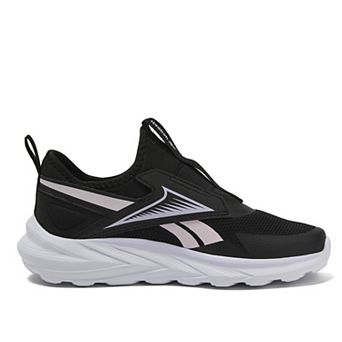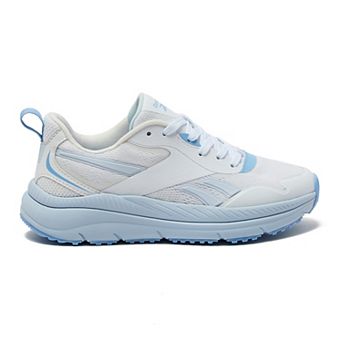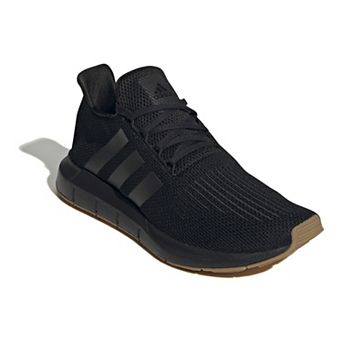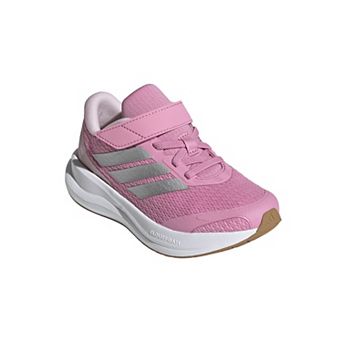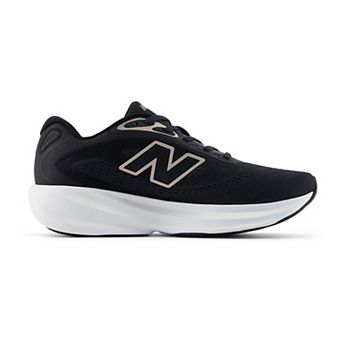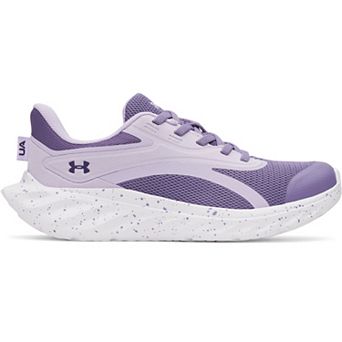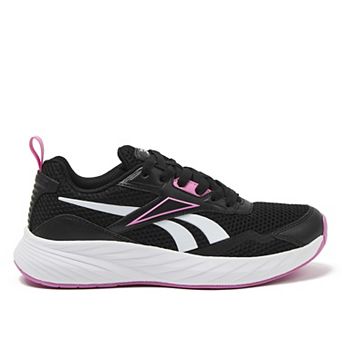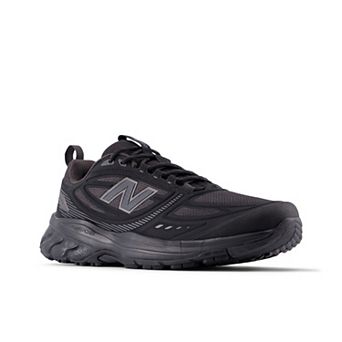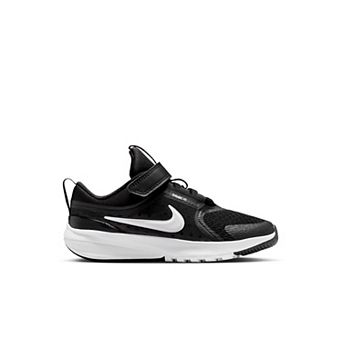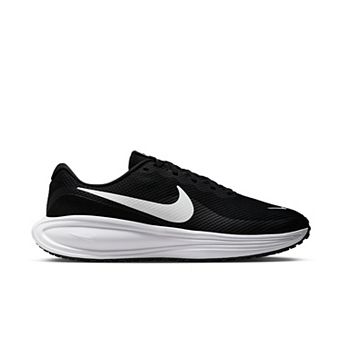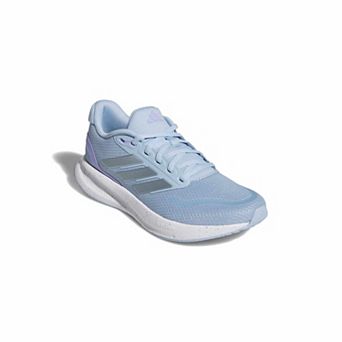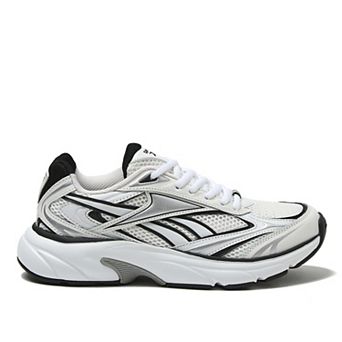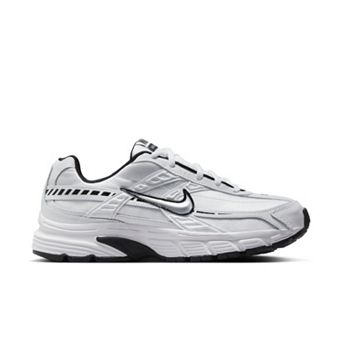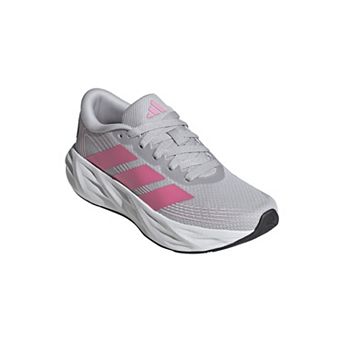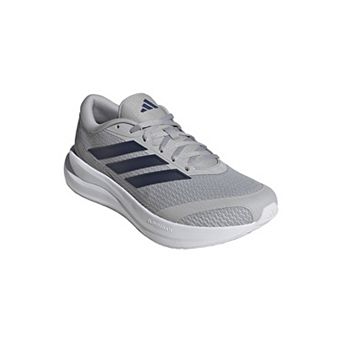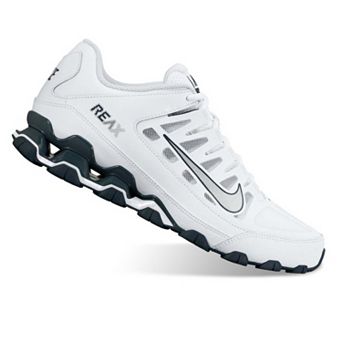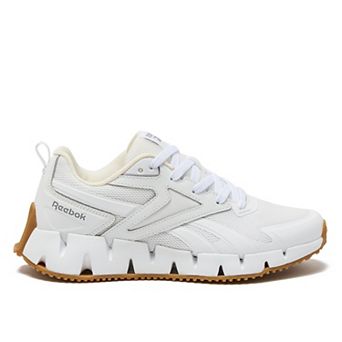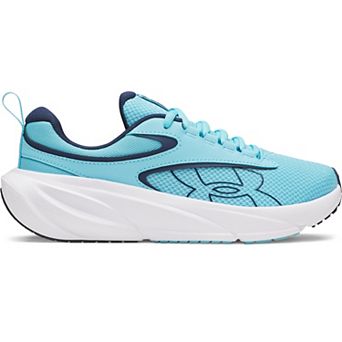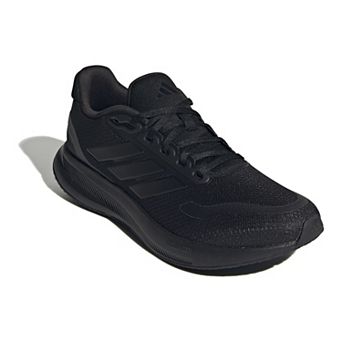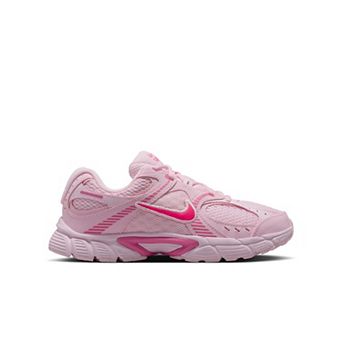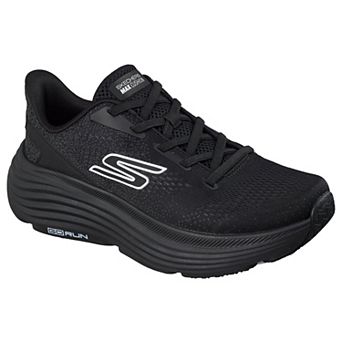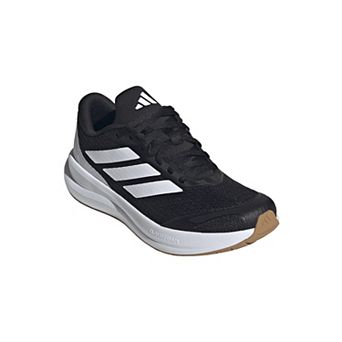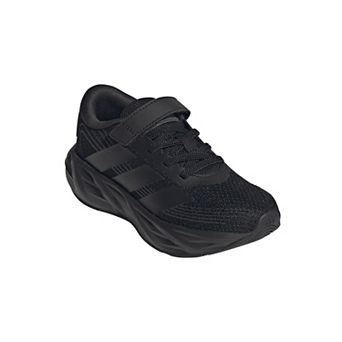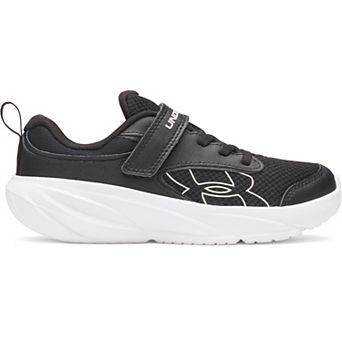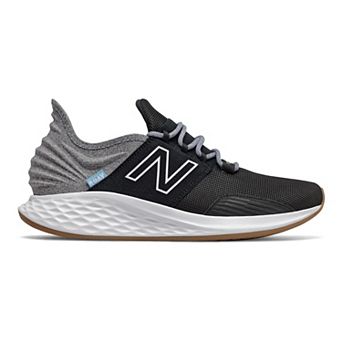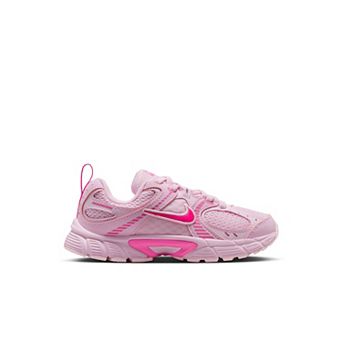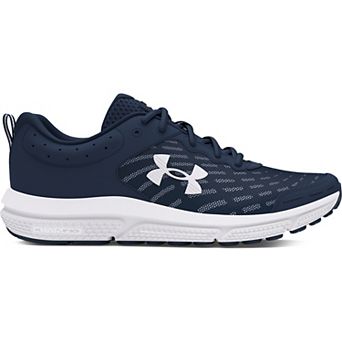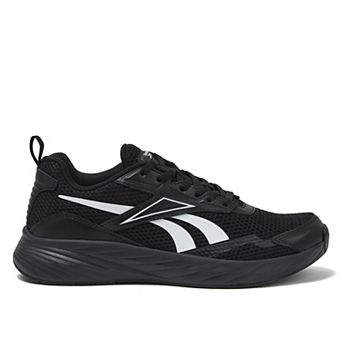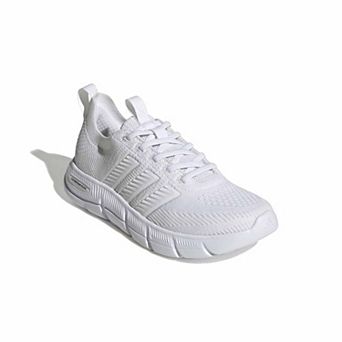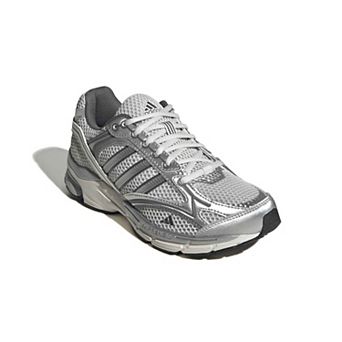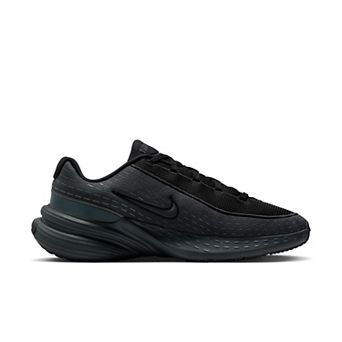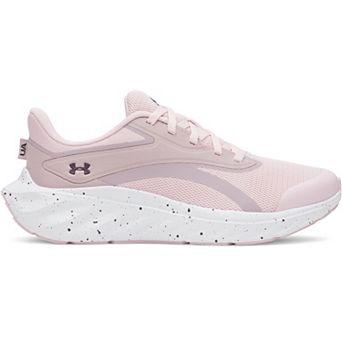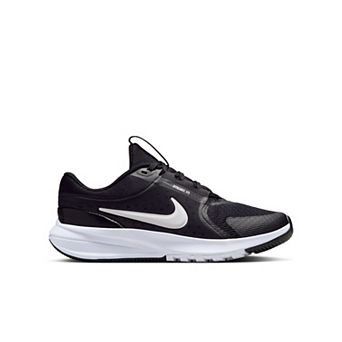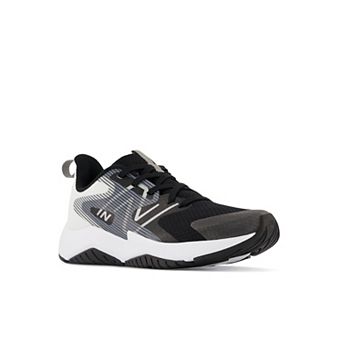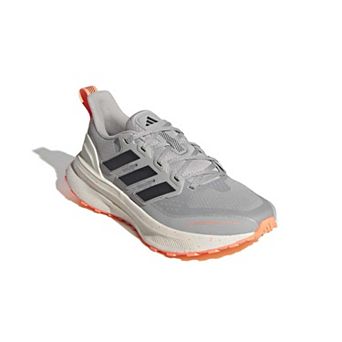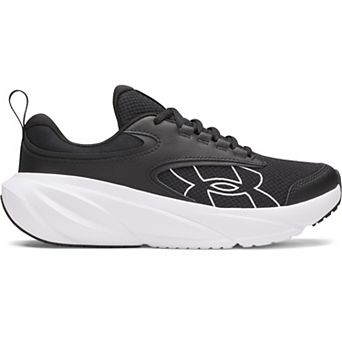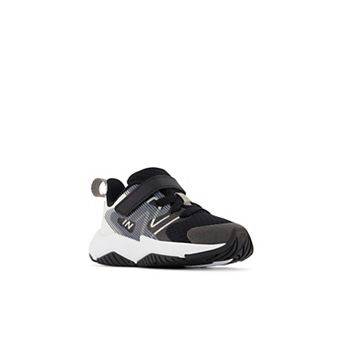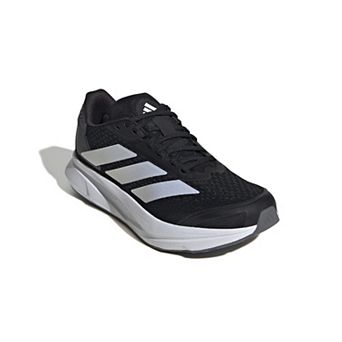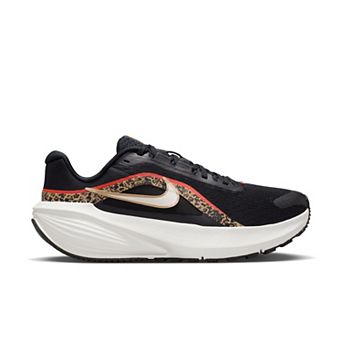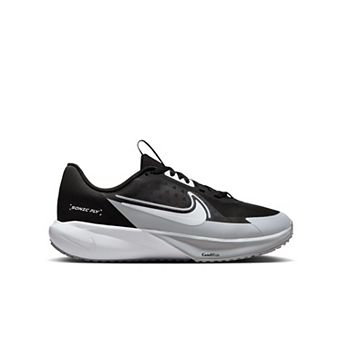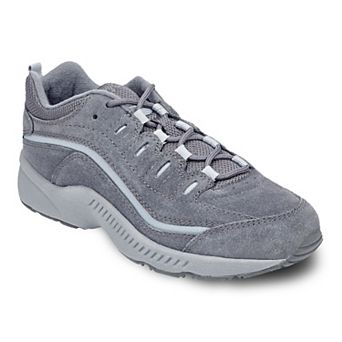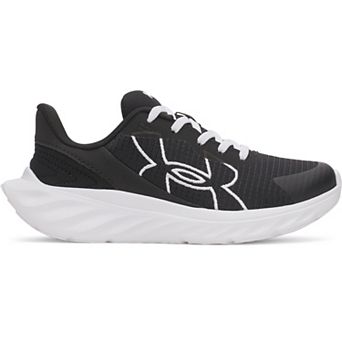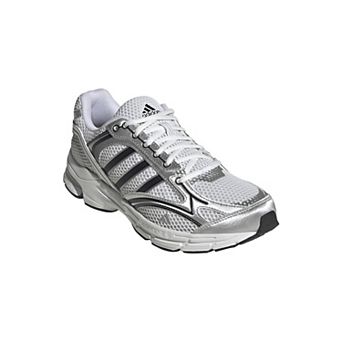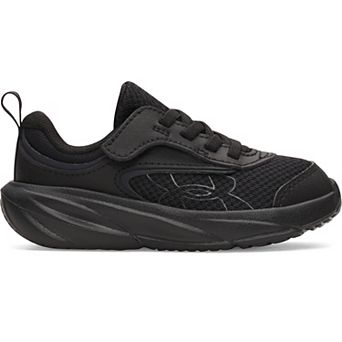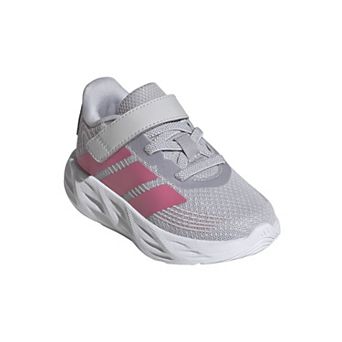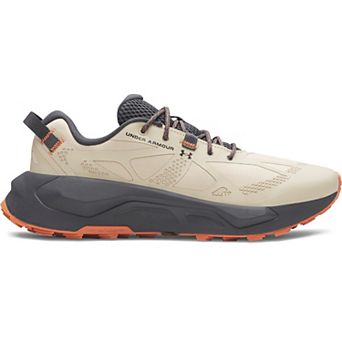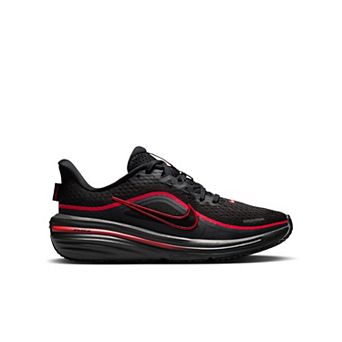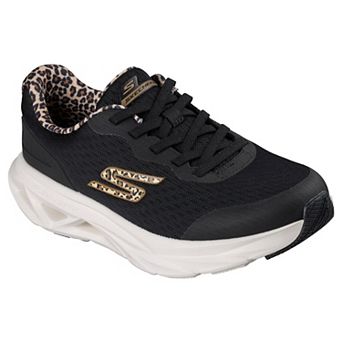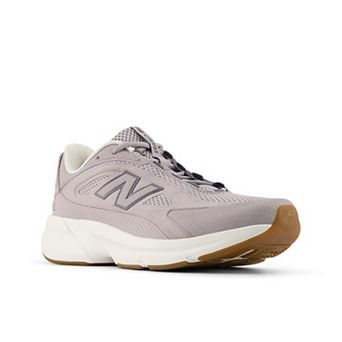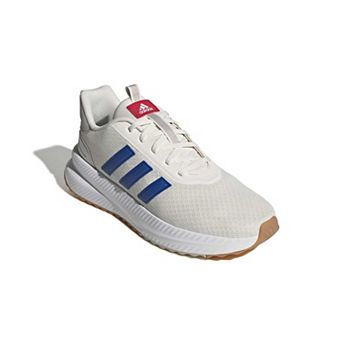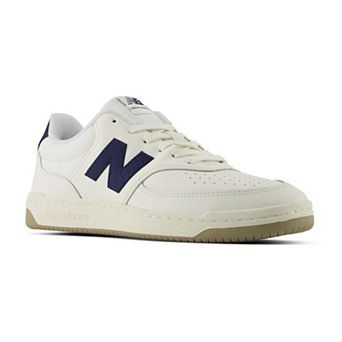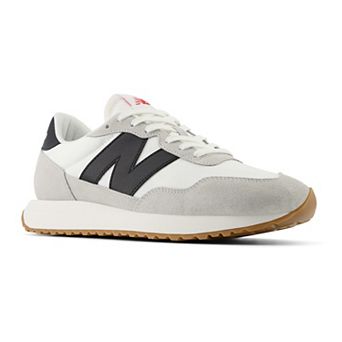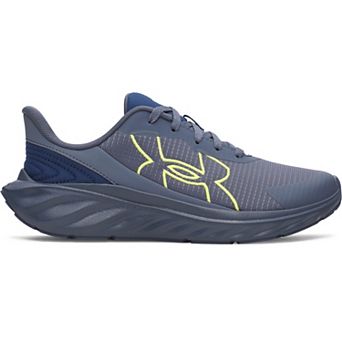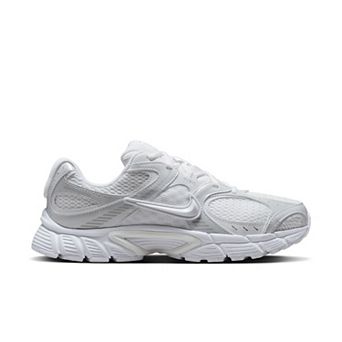
Running Shoes
(175)Guide to Choosing Running Shoes: Cushioning, Stability, and Arch Support
Finding the right running shoes doesn’t have to feel overwhelming. Whether you’re training for your first 5K, hitting the park with friends, or enjoying a walk around the neighborhood, the right pair keeps your feet comfortable and supported every step of the way. Here’s how to match your footwear with your needs—so you can shop confidently and start moving with ease.
Understanding Your Foot Mechanics
It’s helpful to start by learning what is pronation in running shoes. Pronation is simply the way your foot rolls inward as it lands, helping absorb shock with each stride. If you have a neutral stride, your feet roll in just a bit. Many people, though, have overpronation—where the foot rolls inward more than needed, which often goes along with flatter arches. Others experience supination, which means the foot rolls outward, commonly seen in people with high arches.
Curious about your foot type? Check the wear pattern on the soles of your old sneakers. More wear on the inside edge often signals overpronation, while wear on the outer edge hints at supination. Understanding your movement is the first step toward finding shoes designed for your specific stride.
Finding the Right Match for Your Stride
When you start browsing, you might wonder: what is the difference between cushioning and stability in shoes? Understanding athletic shoe cushioning types helps here. Neutral running shoes are designed for those with standard arches or underpronation. These styles emphasize shock absorption, offering a smooth, flexible ride.
Stability shoes go a step further. They include features like firmer foam along the inside edge to gently guide the foot for those who overpronate, giving extra structure and support. So, when thinking about stability shoes vs neutral running shoes, it really boils down to how much guidance your feet need and your unique stride.
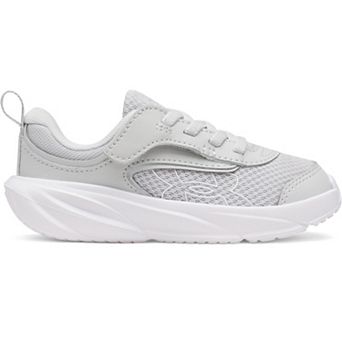
You’ll also hear talk about minimalist running shoes. The pros and cons of minimalist running shoes are worth considering: they’re lightweight and can help strengthen foot muscles by encouraging a natural stride. But minimalist shoes don’t offer as much cushioning, so they may not be the best choice if you’re new to running or prefer more impact protection on pavement.
Focusing on Arch Support
Arch support can make all the difference for comfort and long-term foot health. Running shoes with good arch support help prevent issues like heel pain and plantar fasciitis by keeping your arches lifted and properly aligned. Look for designs with sculpted footbeds or built-in medial posts to match your arch height. If you still notice discomfort, pairing your shoes with over-the-counter insoles or custom orthotics adds a personalized fit that helps keep tired, achy feet at bay.
Smart Shopping and Maintenance
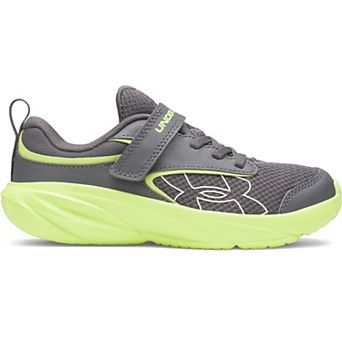
Starting your running journey? The best running shoes for beginners are often versatile, well-cushioned, neutral trainers that offer everyday comfort and support. Wondering how to purchase affordable running shoes without sacrificing quality? Look for trusted brands known for value and durability—you’ll find plenty of great options that stand up to daily walks, runs, and family outings.
Taking care of your shoes is just as important. So, how often should you replace running shoes? Most experts recommend swapping them out every 300–500 miles, or when you notice the cushioning feeling flat and the support less springy. Tracking your mileage and staying in tune with how your feet feel ensures you always have the protection you need.
In the end, understanding your stride, knowing what type of cushioning and support works for you, and shopping smart means you’ll find a pair that fits your lifestyle—and helps you enjoy every step. Feeling good, saving money, and moving with confidence? Now that’s a win for everyone.