
Sewing Machines
(10)

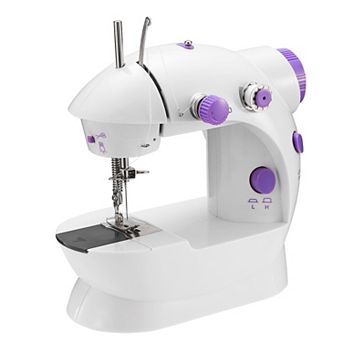

Navigating the World of Sewing Machines: Your Comprehensive Guide to Informed Selection
Embarking on the journey of textile creation, whether for practical mending, intricate garment construction, artistic quilting, or elaborate embroidery, begins with the right sewing machine. This fundamental tool transforms raw fabric into finished projects, offering a blend of mechanical precision and creative freedom. For those in the consideration stage, seeking to invest in a new machine or upgrade an existing one, the sheer variety of models and features can be overwhelming. This guide aims to demystify the selection process, providing in-depth insights into the types, capabilities, and crucial considerations that will lead you to the ideal sewing machine for your unique needs.
Shop for all your arts and crafts needs at Kohl's!
Decoding Your Needs: How to Choose a Sewing Machine
Selecting the perfect sewing machine is less about finding the "best" overall model and more about identifying the "best" model for your specific requirements. This involves a careful assessment of your current skill level, anticipated projects, and desired features.
Identifying Your Sewing Projects and Skill Level
Your experience and ambitions in sewing will heavily influence the type of machine that best serves you.
For Beginners: Embracing the Learning Curve
For beginners, the best sewing machine emphasizes simplicity, user-friendliness, and reliability. Look for models that offer intuitive threading paths, easy bobbin insertion, and clear stitch selection. Essential features include adjustable speed control, which allows you to sew at a comfortable pace, and a basic selection of utility stitches, such as a straight stitch and zigzag stitch, to cover most initial projects.
Consider machines with an automatic needle threader, a feature that significantly reduces frustration for new sewists. While it may be tempting to buy a very cheap sewing machine, remember that quality often correlates with ease of use and durability. A machine that constantly jams or produces inconsistent stitching can quickly discourage a novice. Investing in a decent, reliable entry-level machine is often a more cost-effective approach in the long run.
For Hobbyists and Intermediate Sewers: Expanding Horizons
As your skills grow and your projects become more diverse, your sewing machine needs will evolve. Hobbyists and intermediate sewers typically seek greater versatility, a broader range of stitch options (including decorative stitches, stretch stitches for knits, and specialized buttonholes), and more robust construction. You might be tackling garments, intricate quilts, or home décor projects that require more advanced features. Durability becomes increasingly important, as these machines will see more frequent use. Look for models that offer consistent stitch quality across various fabric types and have a sturdy motor.
For Advanced Sewers and Professionals: Precision and Performance
Professionals and advanced sewists demand precision, speed, and specialized functionalities. These machines often feature advanced computerized controls, a vast library of built-in stitches, programmable stitch sequences, and the ability to handle heavy-duty fabrics with ease. Features like knee-lift for the presser foot, precise needle position adjustment, and high-speed stitching capabilities are highly valued. For those engaged in high-volume production or very specific tasks, considering specialized or even industrial machines becomes relevant.
Essential Features and Functions to Consider
Once you've identified your primary needs and preferred machine type, delve into the specific features that will enhance your sewing experience.
- Stitch Options: Beyond the basic straight stitch and zigzag, consider the range of built-in stitches. Do you need decorative stitches, heirloom stitches, stretch stitches for knit fabric, or specialized buttonhole functions? Computerized machines often offer hundreds of stitch patterns.
- Speed Control: Variable speed control is invaluable, especially for beginners or when working on intricate details. It allows you to sew slowly and precisely, then speed up for long seams.
- Automatic Needle Threader: This small but significant feature automates the tedious task of threading the needle, saving time and reducing eye strain. Most modern machines, especially computerized ones, include this.
- Bobbin System: Top-loading (drop-in) bobbins are generally easier to access and monitor thread supply than front-loading bobbins.
- Presser Feet: Your sewing machine typically comes with a few standard presser feet. However, a wide range of specialized presser feet are available for various tasks (zippers, buttonholes, quilting, topstitching, gathering, free-motion). Ensure your chosen machine can accommodate these accessories.
- Free Arm: A removable section of the sewing bed that creates a narrow arm, essential for sewing cuffs, collars, pant hems, and other small, tubular items with ease.
- Work Space (Harp Space): The area between the needle and the machine's body. A larger harp space is crucial for managing bulky projects like quilts and large garments.
- Needle Position Adjustment: The ability to move the needle left or right is beneficial for topstitching, edge stitching, and zipper insertion.
- Tension Control: Proper thread tension is vital for balanced stitches. While many computerized machines offer automatic tension, manual adjustment is a key feature for troubleshooting.
- Durability and Build Quality: A machine with a robust internal metal frame will be more stable, durable, and capable of handling heavier fabrics. This is a critical factor in the longevity and consistent performance of your machine.
- Motor Strength: The power of the sewing machine motor dictates its ability to penetrate multiple layers of fabric or heavier materials smoothly. A stronger motor reduces strain and improves performance.
- Lighting: Good LED lighting directly illuminating the sewing area is essential for visibility and reducing eye fatigue during long sewing sessions.
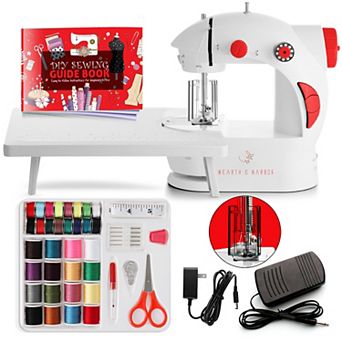
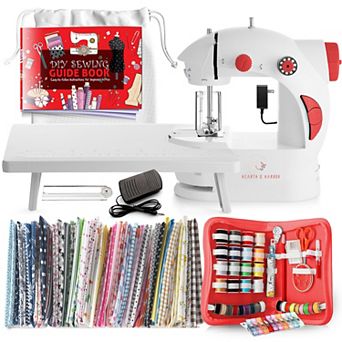
- Accessories: Beyond presser feet, consider what other accessories are included or easily available, such as extra bobbins, a seam ripper, screwdrivers, and a cleaning brush (cutter for thread). Some machines even come with extension tables for larger projects.
The world of sewing machines is vast and varied, offering a perfect match for every sewist, from the hesitant beginner taking their first stitches to the seasoned professional creating intricate masterpieces. By thoroughly assessing your needs, understanding the different types and features available, exploring reputable brands, and leveraging comprehensive reviews, you empower yourself to make an informed decision. A well-chosen sewing machine is more than just a tool; it is a gateway to boundless creativity, precision crafting, and the enduring satisfaction of making something truly unique. Embrace the process, find your ideal partner in fabric, and let your sewing journey flourish.