
Shop Pet Food & Treats
Pet Food & Treats
(104)







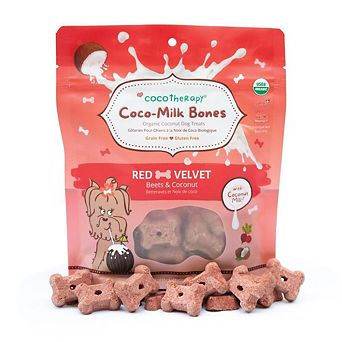

Choosing the Best Pet Food and Treats for Your Companion
Selecting the right food and treats for your pet is one of the most important decisions you'll make for their health and happiness. With so many options available, from dry kibble to wet food and various types of treats, understanding the differences and what makes a food truly nourishing can feel overwhelming. This guide will help you navigate the choices, ensuring your dog or cat gets the nutrition they need to thrive.
Understanding Your Pet's Nutritional Needs
Dogs and cats have unique nutritional requirements. While both need protein, fat, vitamins, and minerals, the ideal balance of these nutrients varies significantly between species.
Dogs, being omnivores, can digest a wider range of ingredients, including some plant-based foods. Their diet typically requires a good balance of protein, fats, and carbohydrates to support their energy levels and overall well-being.
Cats, on the other hand, are obligate carnivores. This means their bodies are designed to get nutrients primarily from animal sources. High-quality animal protein is essential for cats, as are specific nutrients like taurine, which is vital for their heart and eye health. Plant-based proteins alone are not sufficient for a cat's nutritional needs.
Dry Food vs. Wet Food: Making the Right Choice
One of the biggest debates in pet nutrition centers around dry food and wet food. Both have advantages and disadvantages, and the best choice often depends on your pet's individual preferences, health, and your lifestyle.
What is Dry Food?
Dry food, often called kibble, is a popular choice for many pet owners. It is characterized by its low moisture content, typically around 10%. This makes it convenient to store, less prone to spoilage, and often more cost-effective.
Dry food is produced by mixing ingredients like grains, meat meals, vegetables, and vitamins, then cooking them at high temperatures and forming them into small, bite-sized pieces.
What is Wet Food?
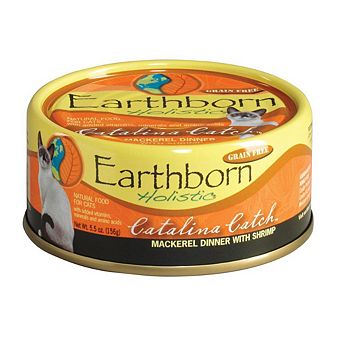
Wet food, also known as canned or moist food, has a much higher moisture content, often ranging from 70% to 85%. It comes in various forms, including pâtés, gravies, stews, and shredded meats.
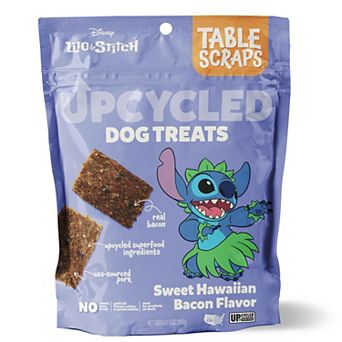
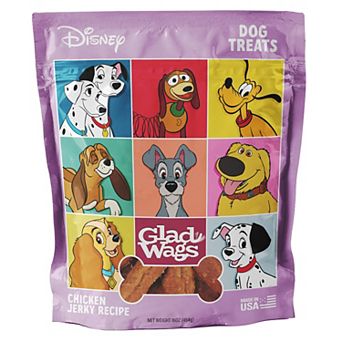
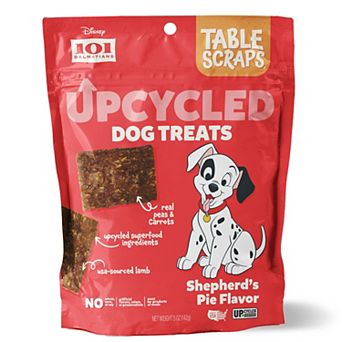
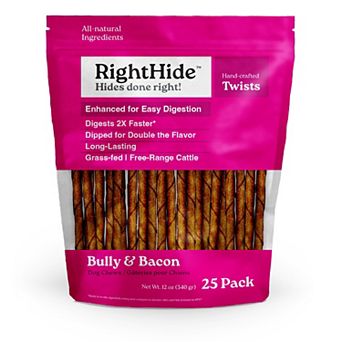
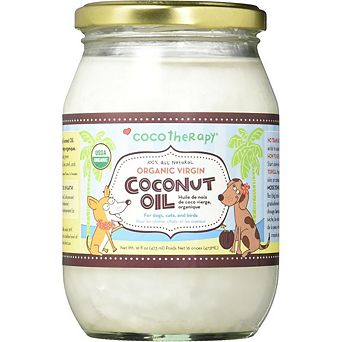
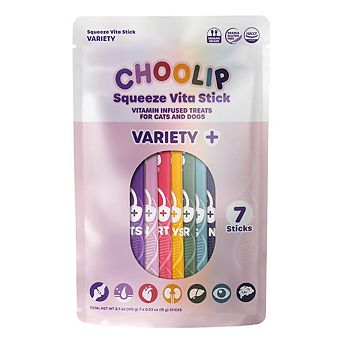
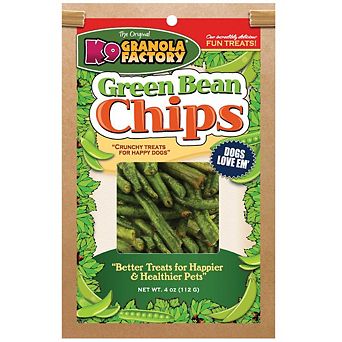
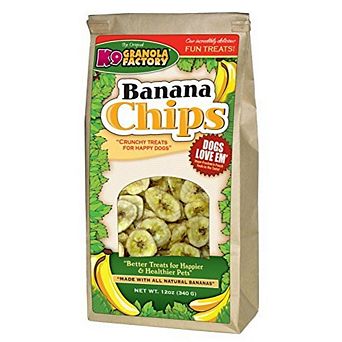
Choosing Healthy Pet Treats
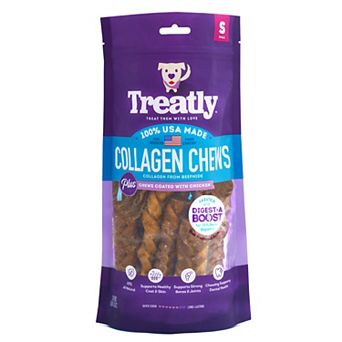
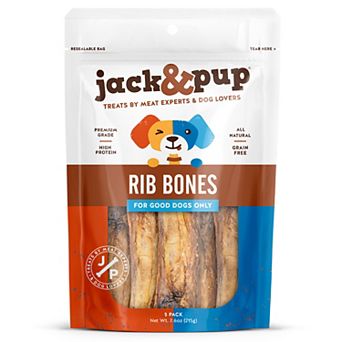
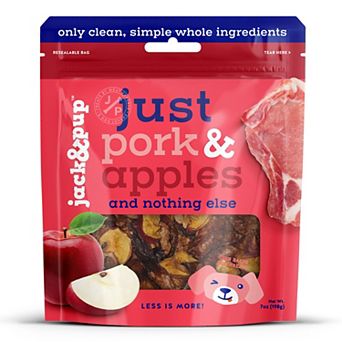
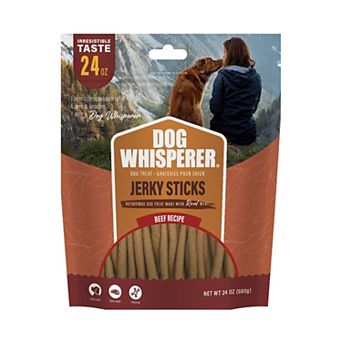
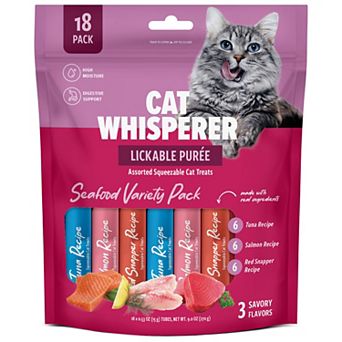
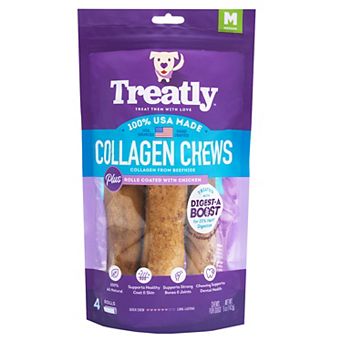
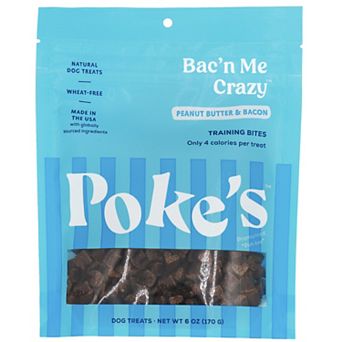
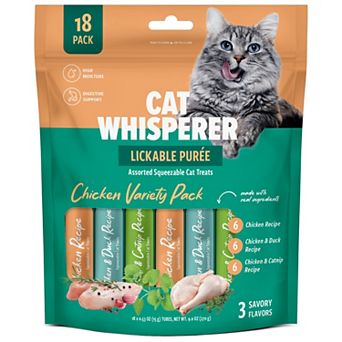
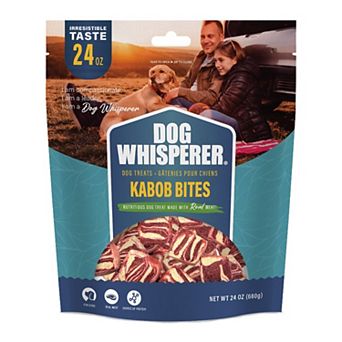
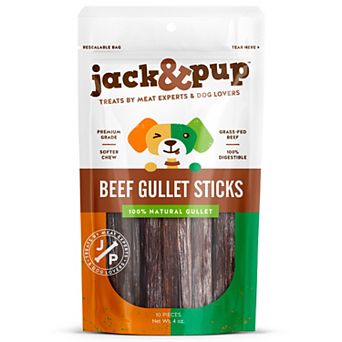
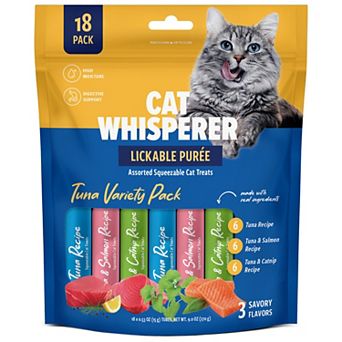
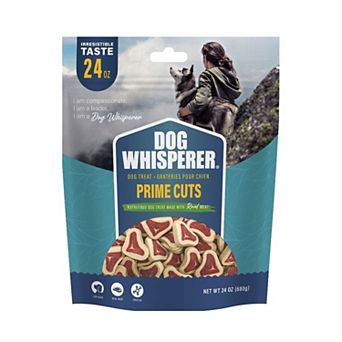
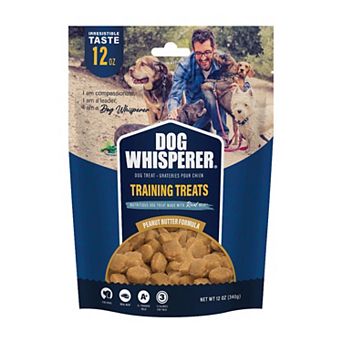
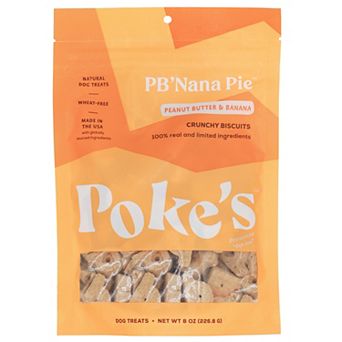
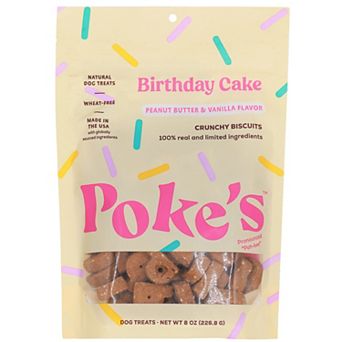
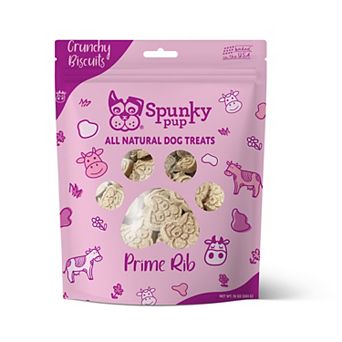
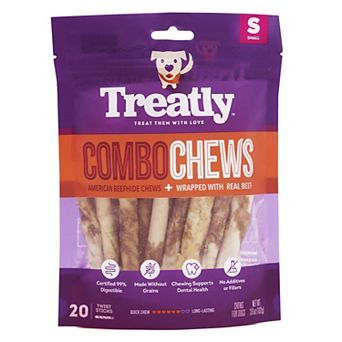
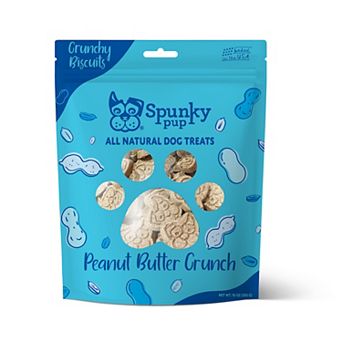
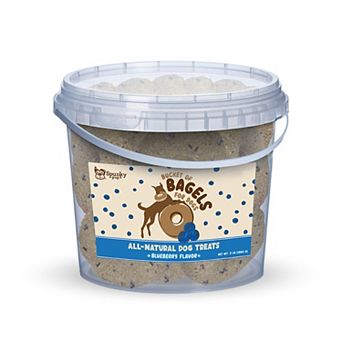
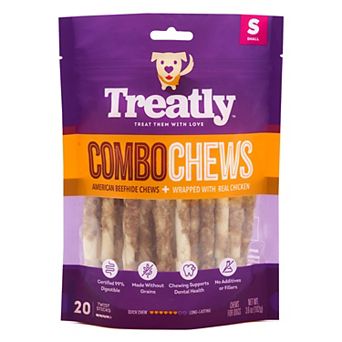
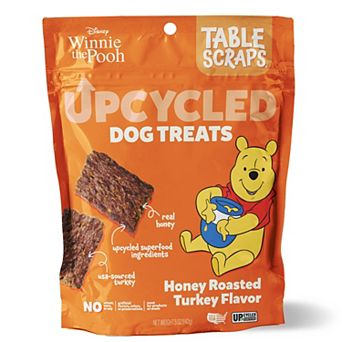
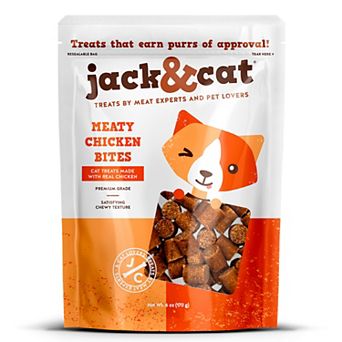
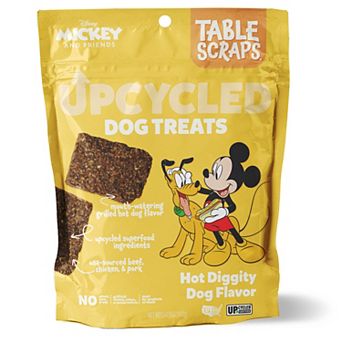
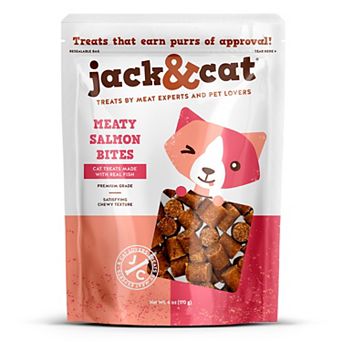
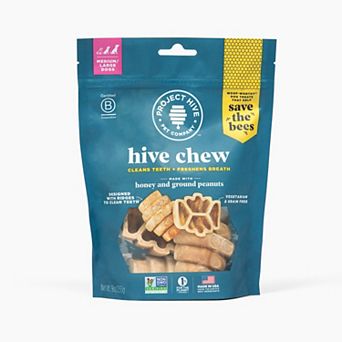
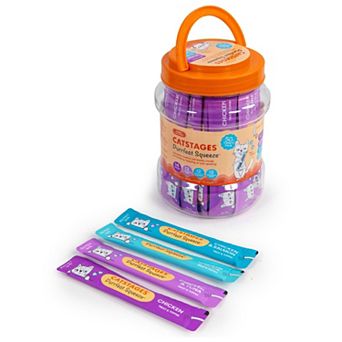
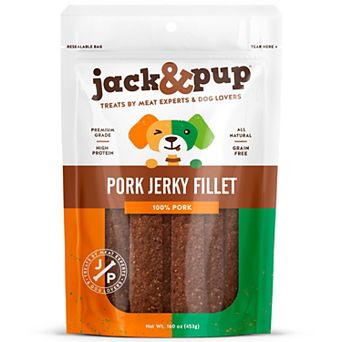
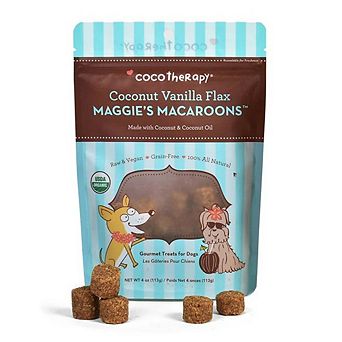
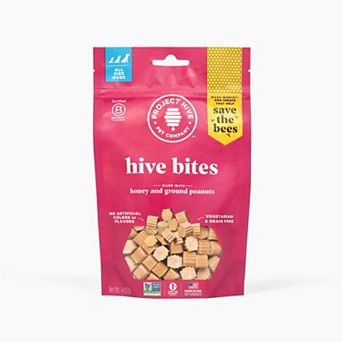
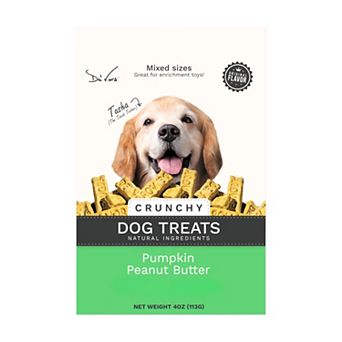
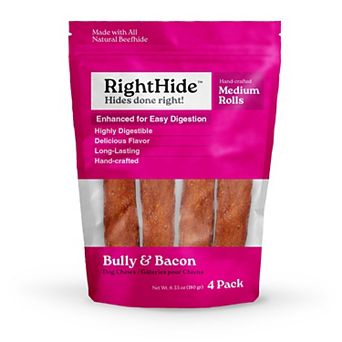
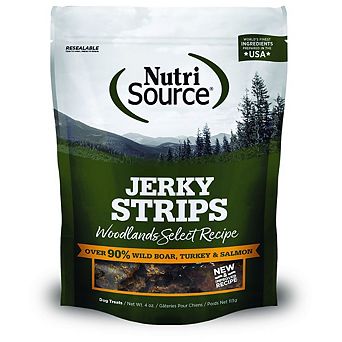
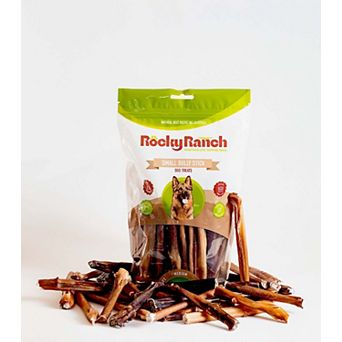
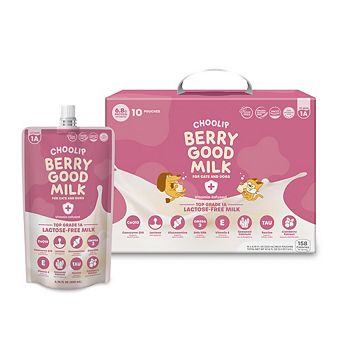
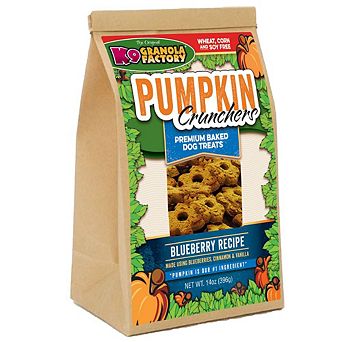
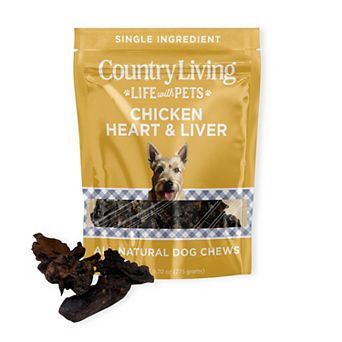
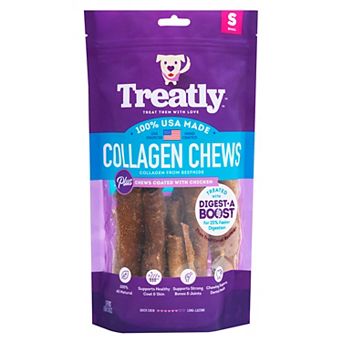
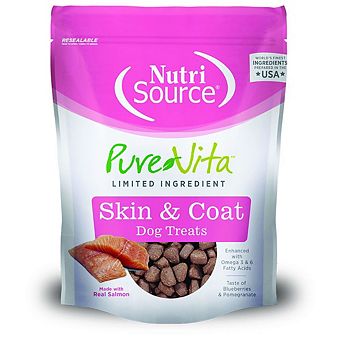
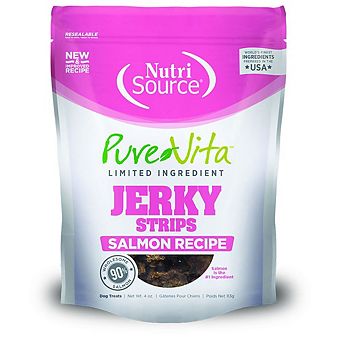
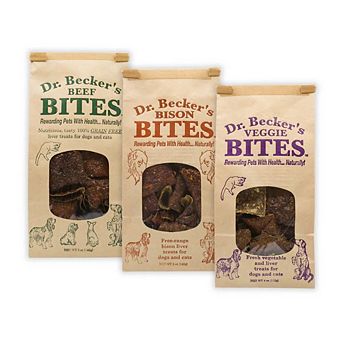
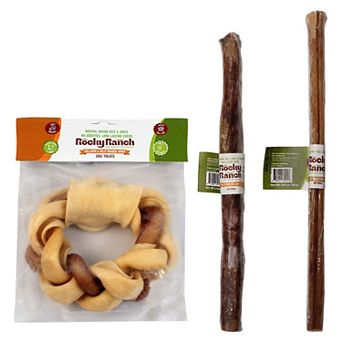
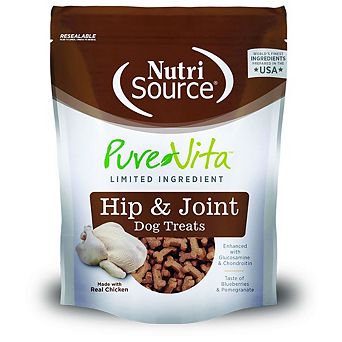
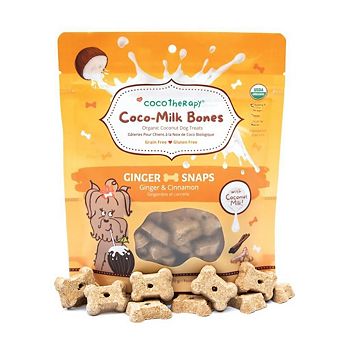
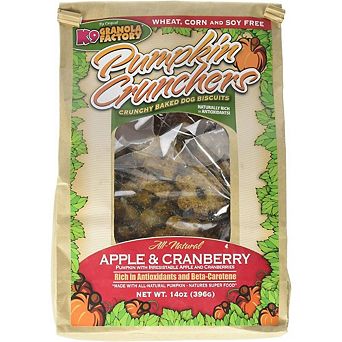
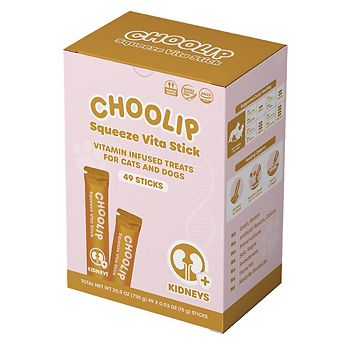
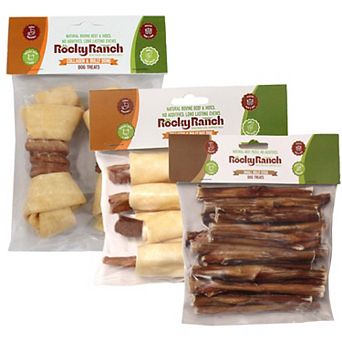
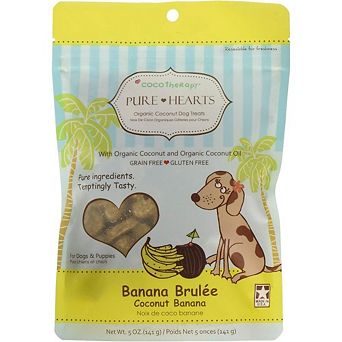
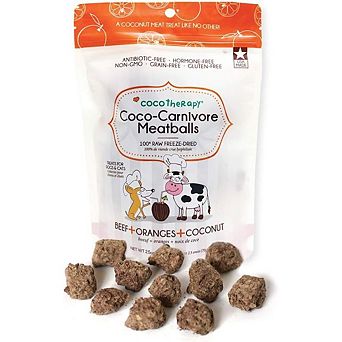
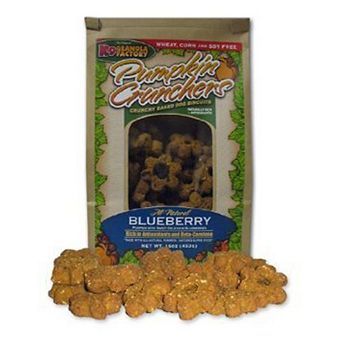
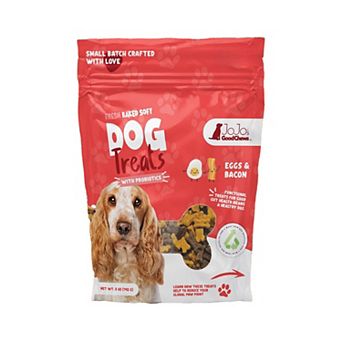
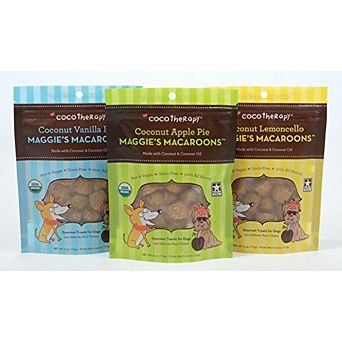
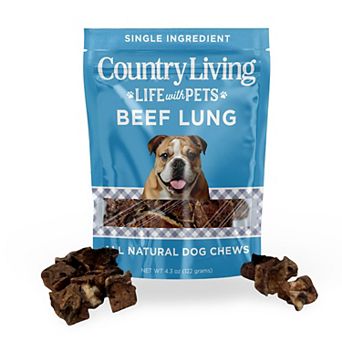
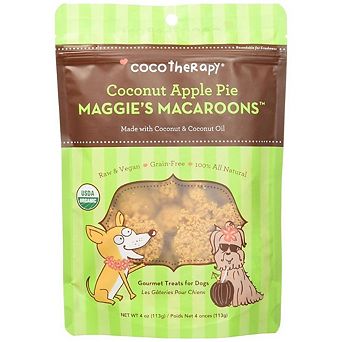
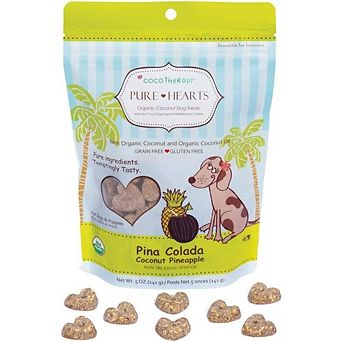
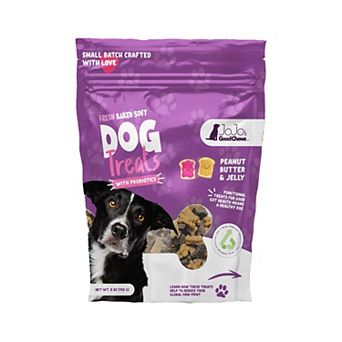
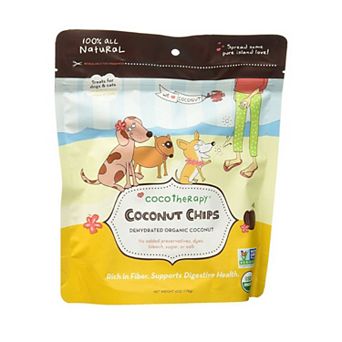
Treats are a wonderful way to bond with your pet, aid in training, and provide a little extra enjoyment. However, they should always be given in moderation and chosen carefully. Treats should complement, not replace, a balanced diet.
What are Considered Treats?
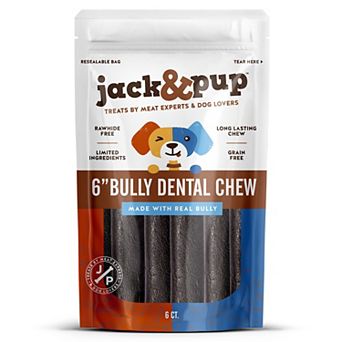
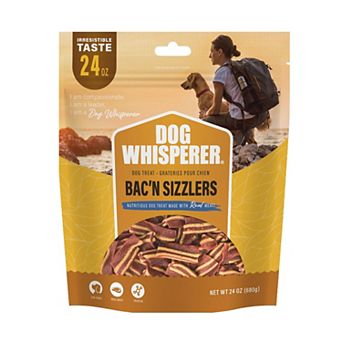
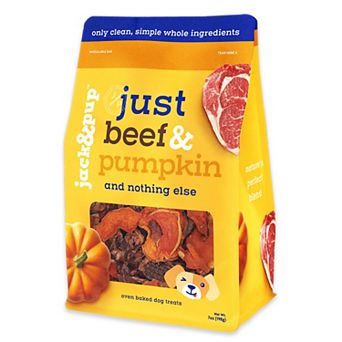
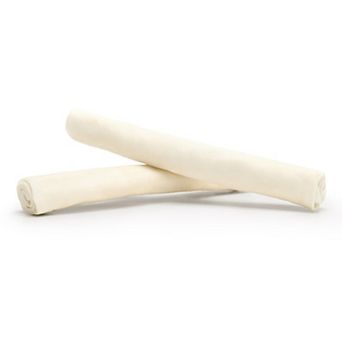
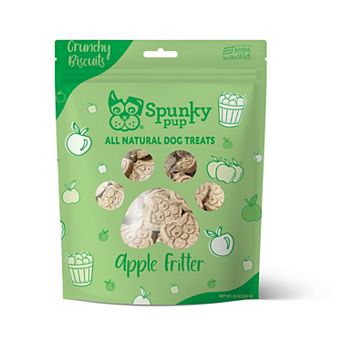
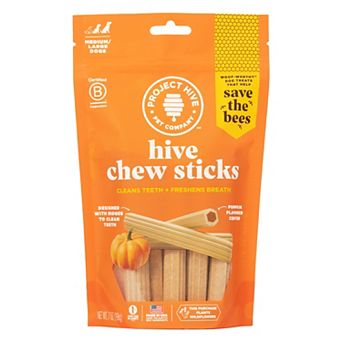
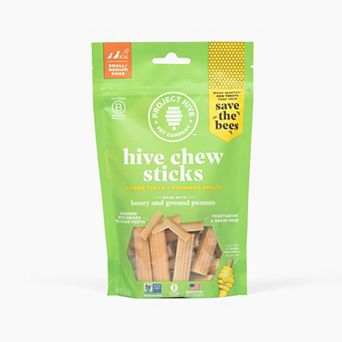
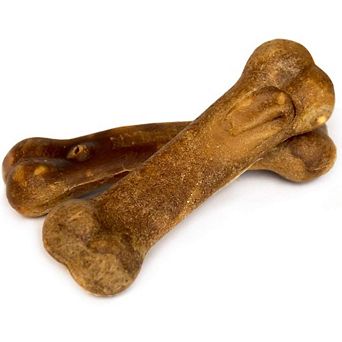
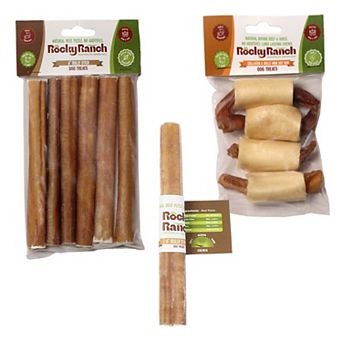
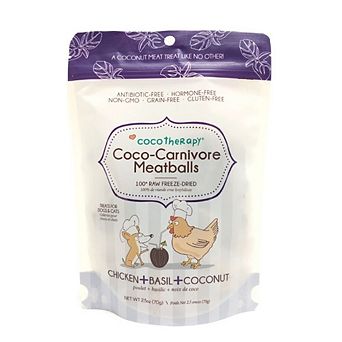
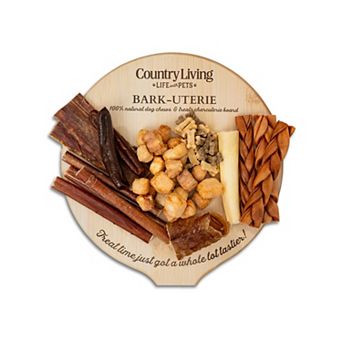
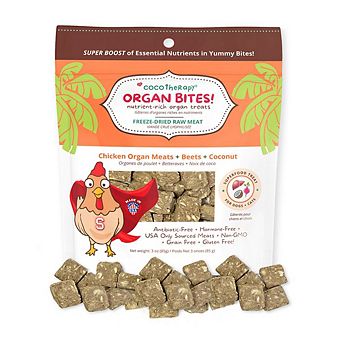
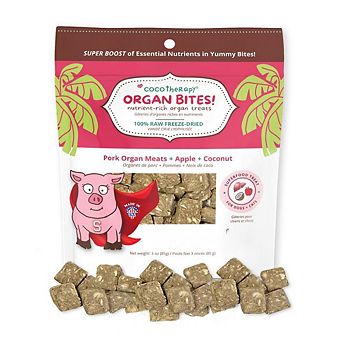
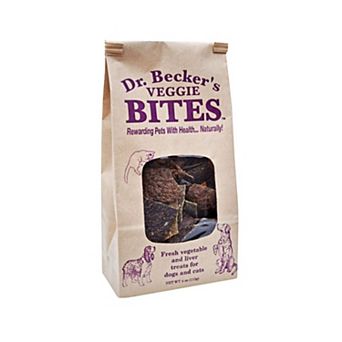
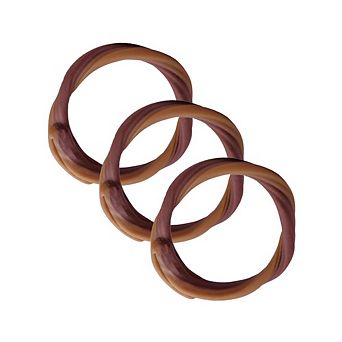
Treats are typically small, palatable food items given in addition to your pet's regular meals. They are not intended to be a complete source of nutrition but rather a reward or a supplemental snack. Examples include biscuits, chews, freeze-dried meat pieces, or even small portions of certain human foods (like plain cooked chicken or carrots).
Making the Best Pet Food Choice for Your Companion
Choosing pet food and treats is a commitment to your pet's long-term health and happiness. By understanding the differences between dry and wet food, scrutinizing ingredient lists, and selecting appropriate treats, you can provide a diet that supports their well-being at every stage of life. Remember to observe your pet's response to their food—a healthy coat, good energy levels, and normal digestion are all signs you've made a good choice. Always consult with your veterinarian for personalized advice, especially if your pet has specific dietary needs or health concerns.