
Sheets & Pillow Cases
(2,600)
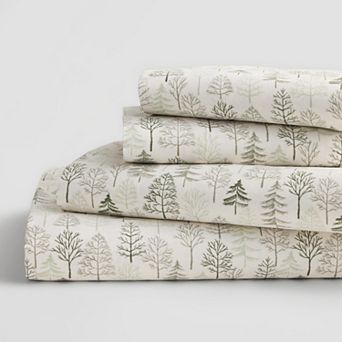
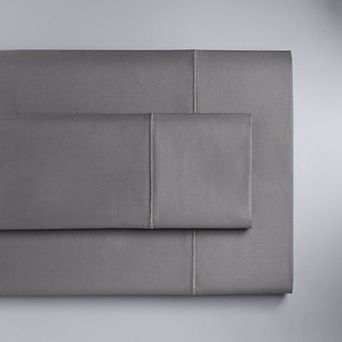
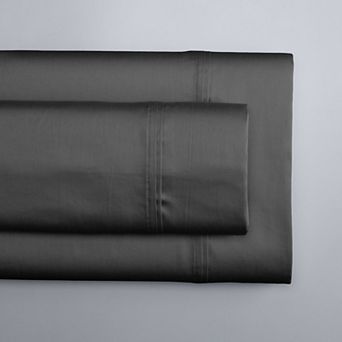
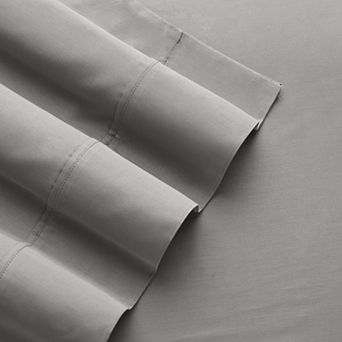

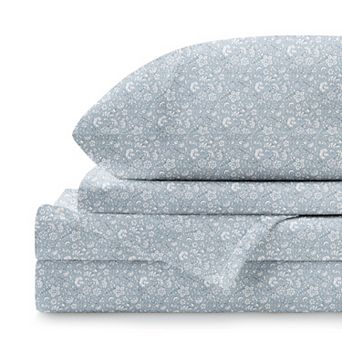
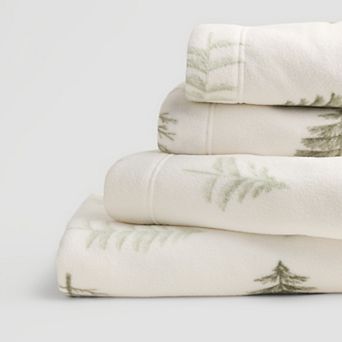
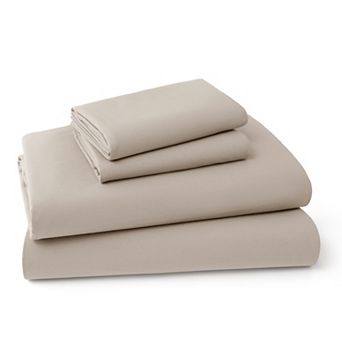

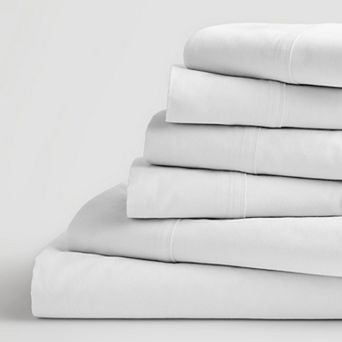
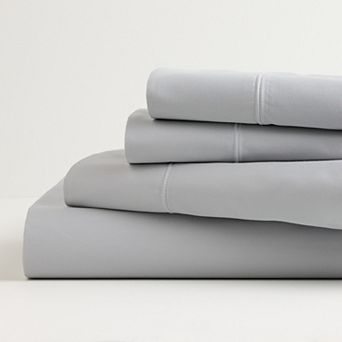
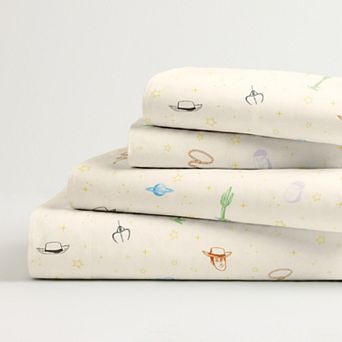
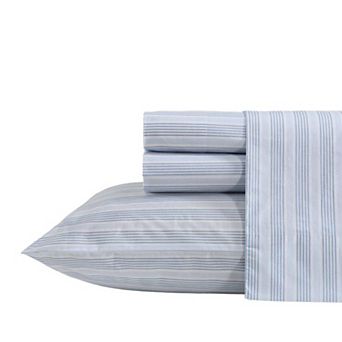
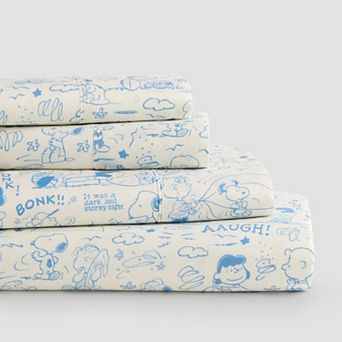
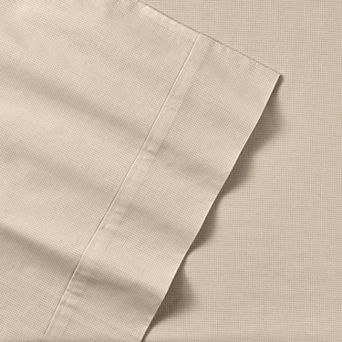
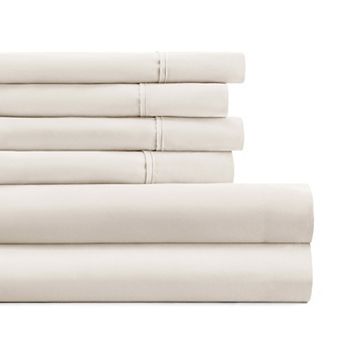
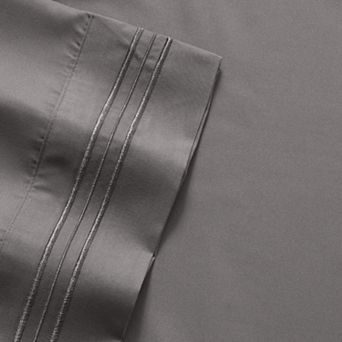
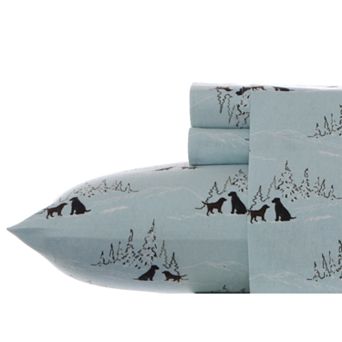
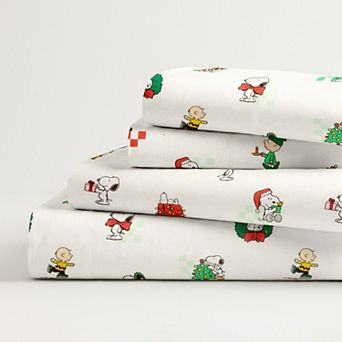
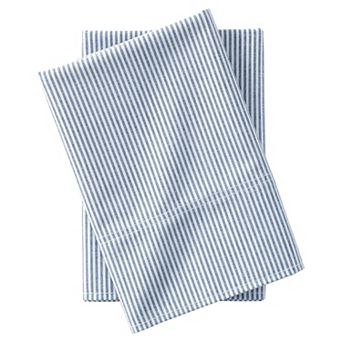
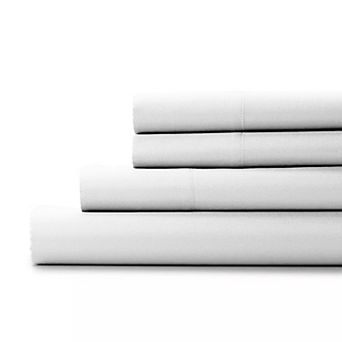

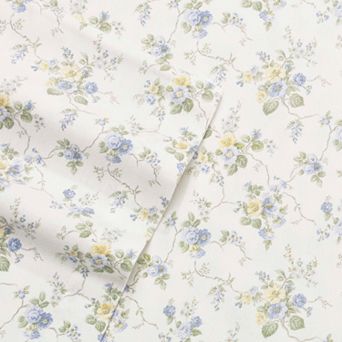

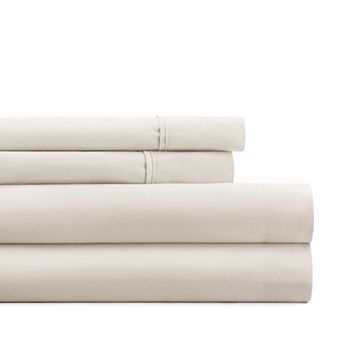
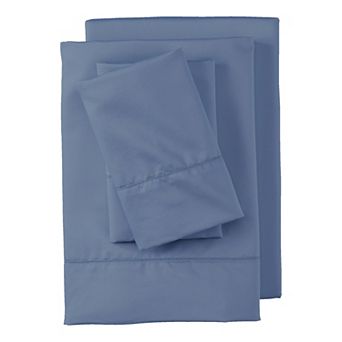
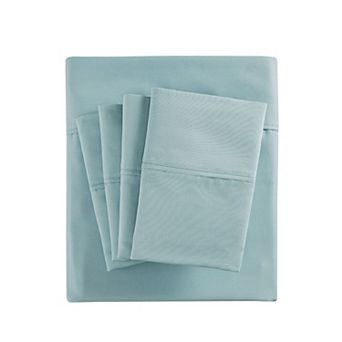
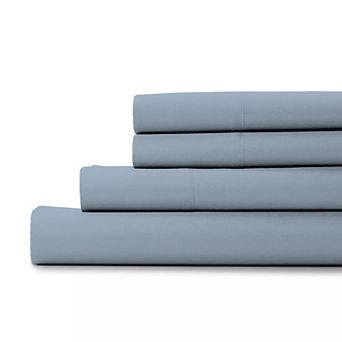
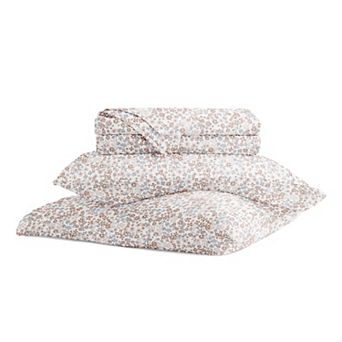
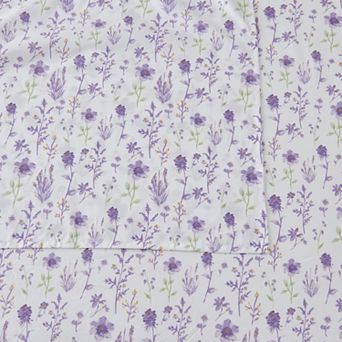
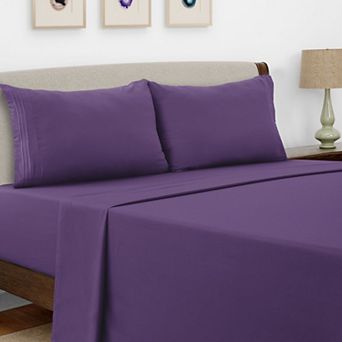
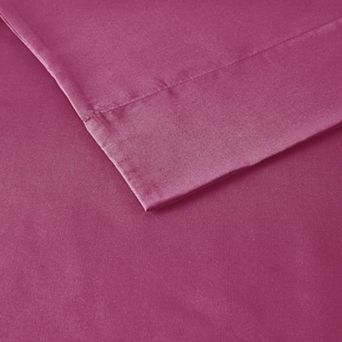
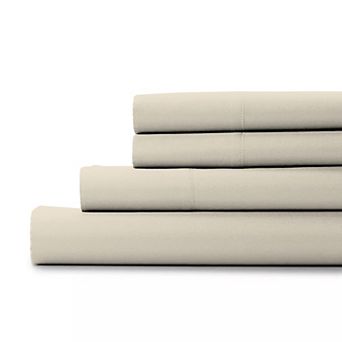
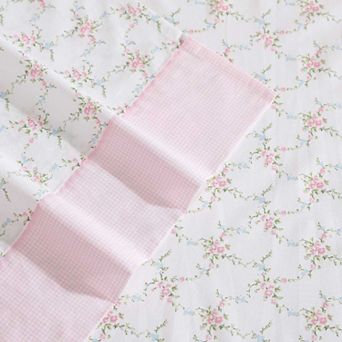
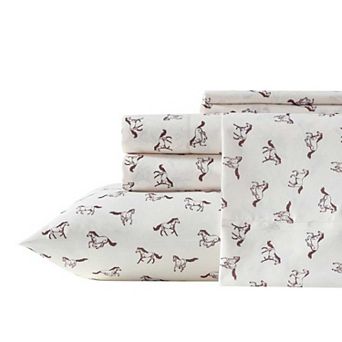


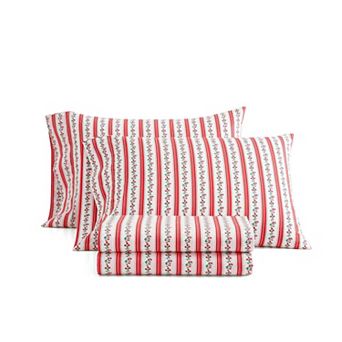
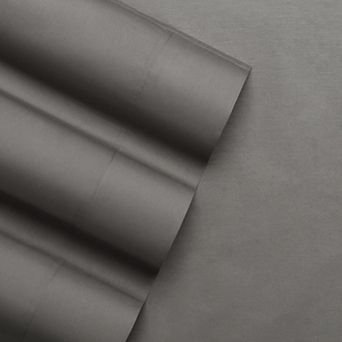
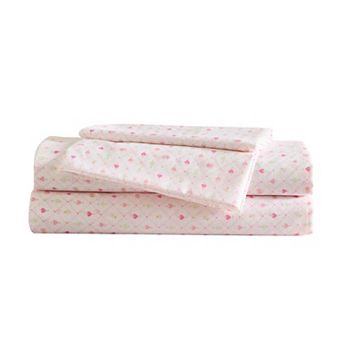
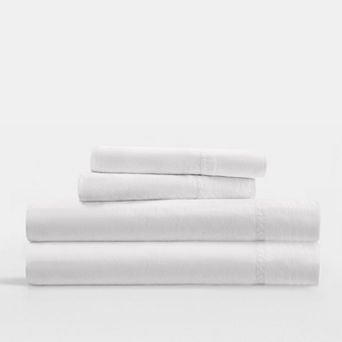
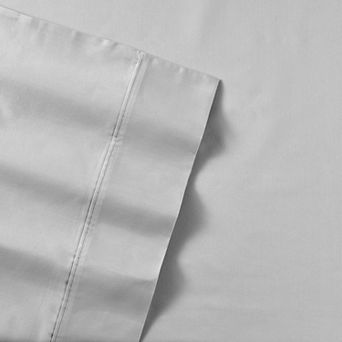
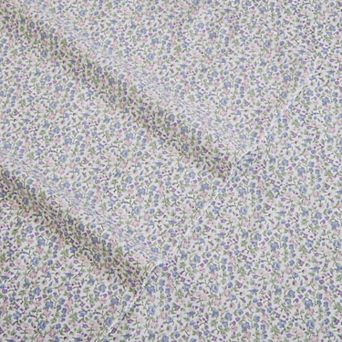
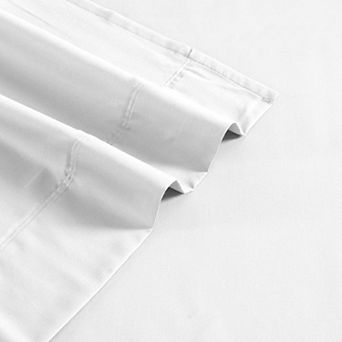
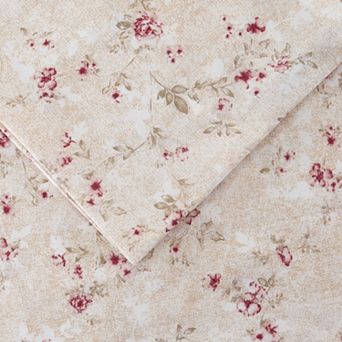


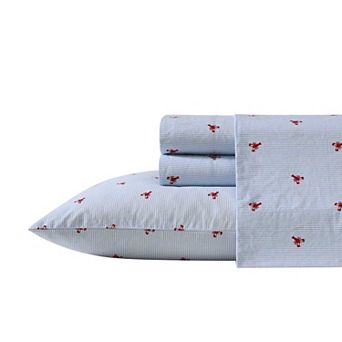
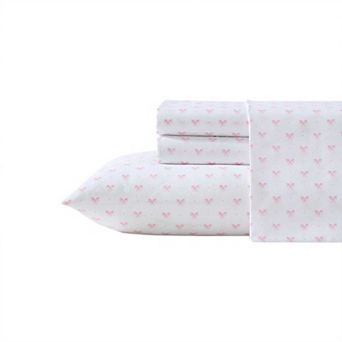
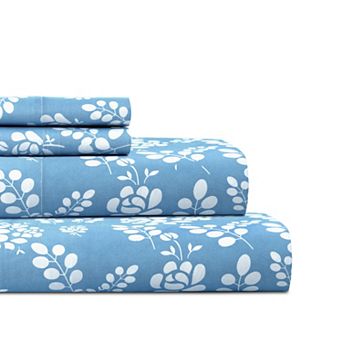
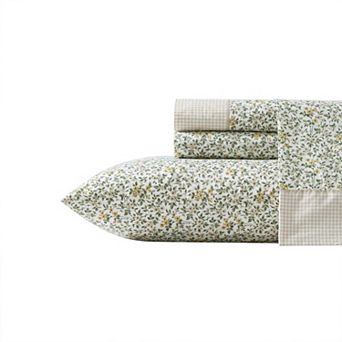
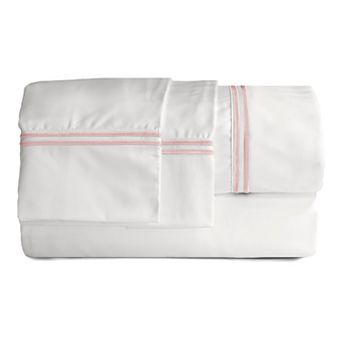
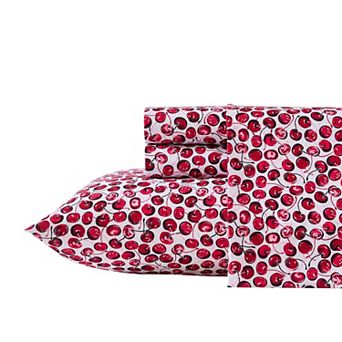
Choose the Perfect Bed Sheets for Your Home
We spend nearly one-third of our lives in bed, yet finding the right sheets often feels like a mystery. With so many fabrics, weaves, thread counts, and fits available, how do you know which set will give you that “can’t wait to get into bed” feeling? Whether you are outfitting a new home, upgrading your guest room for the holidays, or simply replacing a well-loved set that has seen better days, the right bedding makes all the difference.
Decoding Fabrics: Finding Your Perfect Material Match
The fabric is the most significant factor in how your sheets feel and perform. While 100% cotton has long been a popular choice, today’s bedding offers a range of materials to match different needs, from cooling comfort to easy-care convenience. Here is a closer look at some of the most popular sheet materials to help you find the right fit for your bed, whether you are shopping online or searching for sheets near me.
Cotton: The Classic Choice
Cotton remains the most popular choice for bedding, and for good reason. It is naturally breathable, durable, and soft. However, not all cotton is created equal. The quality of cotton often depends on the staple length (the length of the cotton fiber).
Upland Cotton: This is the most common type of cotton found in affordable sheet sets. It is reliable and soft enough for everyday use, making it a great option for kids' rooms or guest beds where value is key.
Egyptian Cotton: Often considered the pinnacle of luxury, true Egyptian cotton is hand-picked to preserve the long fibers. This results in an incredibly strong, smooth, and lustrous fabric. It is an investment, but with proper care, it can last for many years.
Pima or Supima Cotton: Grown primarily in the United States, Pima cotton (and its trademarked superior version, Supima) features extra-long staples. This makes it softer and more durable than standard cotton, offering a luxurious feel without the highest price tag of certified Egyptian cotton.
Best for: Almost everyone. Cotton is versatile, easy to wash, and softens with time.
Microfiber: The Budget-Friendly Performer
If you are looking for affordability and durability without sacrificing softness, microfiber is a fantastic option. Made from finely woven synthetic fibers (usually polyester), microfiber sheets are known for their distinctively soft, brushed texture that feels cozy against the skin.
One of the biggest advantages of microfiber is its resilience. These sheets are resistant to wrinkles, shrinking, and fading, making them a low-maintenance dream for busy households. They also dry incredibly fast in the laundry. However, because the weave is very tight, microfiber traps heat more than cotton.
Best for: Cold sleepers who want warmth, college students, budget-conscious shoppers, and anyone who hates ironing.
Linen: The Breezy Luxury
Linen sheets have surged in popularity for their distinct look and breathable feel. Made from the flax plant, linen is stronger than cotton and has a unique structure that helps wick away moisture and promote airflow for more comfortable sleep.
Linen has a textured, lived-in look that brings relaxed style to any bedroom. While new linen can feel slightly crisp at first, it softens with every wash. It’s a great choice for hot sleepers or humid climates because it helps regulate body temperature. For an easy refresh, pair your linen sheets with a new blanket or throw to add extra comfort and a finished look to your bed.
Best for: Hot sleepers, summer months, and anyone who loves a relaxed, textured look.
Flannel: The Winter Essential
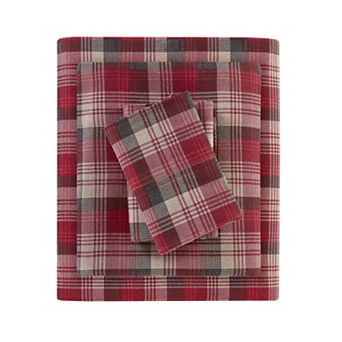
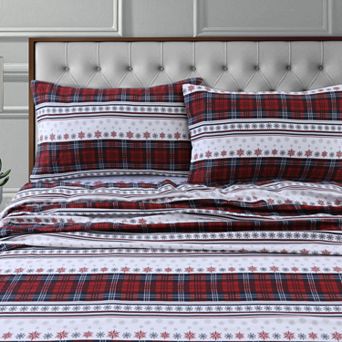
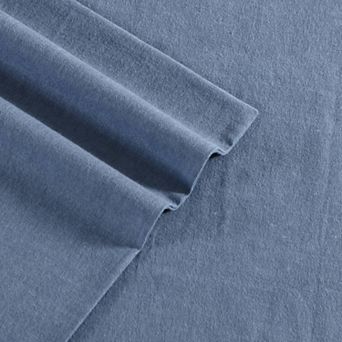
When the temperature drops, nothing beats the cozy embrace of flannel. Usually made from cotton that has been brushed on one or both sides, flannel bedding traps body heat to create a warm, insulating layer.
The "brushing" process raises the fibers, creating a fuzzy texture (known as nap) that feels instantly warm to the touch—unlike smooth cotton sheets that can feel icy when you first get into bed in winter. Flannel quality is usually measured by weight (ounces per square yard) rather than thread count; heavier flannel is generally warmer and more durable.
Best for: Cold climates, winter months, and anyone who gets chilly at night.
Your bed is the center of your home life—it’s where you recharge, where you read stories to your kids, and where you enjoy lazy Sunday mornings. By understanding the materials, weaves, and features that matter most to you, you can build a bed that feels like a hug every time you climb in.
Take your time exploring the options. Feel the fabrics, check the fit, and choose the colors that make you smile. Sweet dreams are just a set of sheets away.